
Treatment
Depigmentation Therapy
Professional depigmentation therapy effectively lightens hyperpigmentation, including melasma (chloasma).
At a glance
Duration
approx. 30 min (mask application)
Anaesthesia
No
Back to everyday life
Immediately (peeling after a few days)
Results visible
improvement after approx. one week
Recommended series
1 treatment + 3–6-month home care
This treatment helps with
Where we perform this treatment
MEDESTETIS Klinika Dr Kuschill & Dr Grodecka
Garncarska 8, Kraków
Performed by




MEDESTETIS Klinika Dr Kuschill
Włodarzewska 81, Warszawa
Performed by



What the treatment involves
Depigmentation therapy effectively reduces hyperpigmentation, including melasma (chloasma). The treatment is based on a mask with a high concentration of ingredients that inhibit the activity of tyrosinase — the enzyme key to melanin production — thereby limiting the formation of new hyperpigmentation and lightening existing spots.
The therapy consists of an in-clinic part (mask application) and a several-month home care regimen with maintenance creams. It is a protocol spread over time, whose effectiveness largely depends on your consistency and constant sun protection.
We especially recommend the therapy for melasma — known in Polish as chloasma — that is, symmetrical brown patches on the face that intensify after sun exposure and in connection with hormonal changes. This type of hyperpigmentation is exceptionally resistant to single treatments, which is precisely why a depigmentation therapy spread over time has the advantage over one-off methods.
Indications
We recommend the therapy for various types of hyperpigmentation. The most common indications are:
- melasma (chloasma) and hormonal hyperpigmentation
- freckles and lentigines (age spots)
- post-inflammatory and post-sun hyperpigmentation
- uneven, sallow skin tone
- seborrhoeic skin and enlarged pores
How the treatment works
During the visit, the doctor cleanses the skin and applies the depigmentation mask, which is left on for an individually determined time.
You wash off the mask at home, and after about 48 hours you begin the maintenance cream regimen. Home care is continued for a further 3–6 months, in line with the recommendations. The in-clinic treatment itself lasts about 30 minutes.
Results
You will notice an improvement in skin tone after about a week from the start of the therapy, once the peeling phase has passed.
The therapy clearly lightens hyperpigmentation, evens out skin tone and improves skin density and firmness. The effect is long-lasting, but it requires consistent sun protection — without SPF, the hyperpigmentation may recur.
Aftercare
For a few days the skin may be reddened and peel. To care for the result:
- use SPF 50 cream and avoid the sun for approx. 4 weeks
- moisturize the skin intensively and do not pick off the peeling epidermis
- do not use AHA acids for about 14 days
- use vitamin C cream if recommended
- continue home care without breaks
The general rules following exfoliating treatments also apply. The brightening effect builds up gradually, usually over several to a dozen or so weeks; in case of an atypical skin reaction, contact the clinic:
- for approx. 7 days, cleanse the skin only with gentle products
- for 72 hours avoid strenuous exertion, including running, fitness and swimming
- use the pool and sauna only after peeling has finished and the skin has healed
- maintain SPF 50+ sun protection for up to 6 months, as the skin is particularly prone to hyperpigmentation
Contraindications
We do not perform it, among others, in cases of:
- pregnancy and breastfeeding
- active inflammation and bacterial, viral or fungal skin infections
- treatment with oral vitamin A derivatives
- allergy to the product's ingredients
- photosensitivity
- fresh tan
The final qualification is carried out by the cosmetologist during the consultation.
Pricing
Dermamelan / Cosmelan
| Wariant | Zabieg pojedynczy |
|---|---|
| Cosmelan set | 1950 zł |
| Dermamelan set | 1950 zł |
The final cost is agreed during the consultation, once your plan is set.
Frequently asked questions
Does depigmentation therapy remove melasma permanently?+
Melasma is a chronic, recurrent condition. The therapy lightens it effectively, but maintaining the result requires maintenance treatment and consistent SPF protection.
Is the treatment painful?+
Applying the mask is painless, though after the treatment the skin may sting, burn and peel for a few days. This is a natural stage of the therapy.
Do you use different variants of depigmentation therapy?+
Yes — we have related depigmentation protocols of varying strength. The choice of variant depends on the type of hyperpigmentation and the cosmetologist's assessment.
Can I have the treatment in summer?+
The therapy is best carried out during periods of lower sun exposure. In summer it is possible only with rigorous sun protection and avoidance of the sun.
How quickly will I see results?+
The first improvement in skin tone is visible after about a week, and the full effect builds up over the several-month home care regimen.
How much does depigmentation therapy cost?+
The therapy costs 1950 zł. You will learn exactly what the price covers in the variant chosen for your skin during the qualifying consultation.
How does melasma (chloasma) differ from ordinary hyperpigmentation?+
Melasma (chloasma) is a chronic type of hyperpigmentation caused mainly by hormonal disorders and fluctuations (e.g. pregnancy, contraception or thyroid disease) as well as sun radiation and heat. It appears as large, diffuse, irregular patches arranged symmetrically on the face – usually on the forehead, cheeks, nose and above the upper lip. Because the pigment often lies deep in the dermis, melasma tends to recur persistently and requires very careful, gentle treatment, as aggressive procedures may worsen it further. Ordinary hyperpigmentation, on the other hand, most often arises as a direct result of localized skin damage (e.g. marks from acne, burns, cuts) or years of excessive sun exposure (age and sun spots). Unlike melasma, it usually appears asymmetrically as single, clearly defined spots and can occur all over the body, e.g. on the hands or décolletage. Since the pigment accumulated in it is generally shallower – mainly in the epidermis – it responds much faster to standard exfoliating or brightening care and is considerably easier to remove completely.
Sources
Related treatments
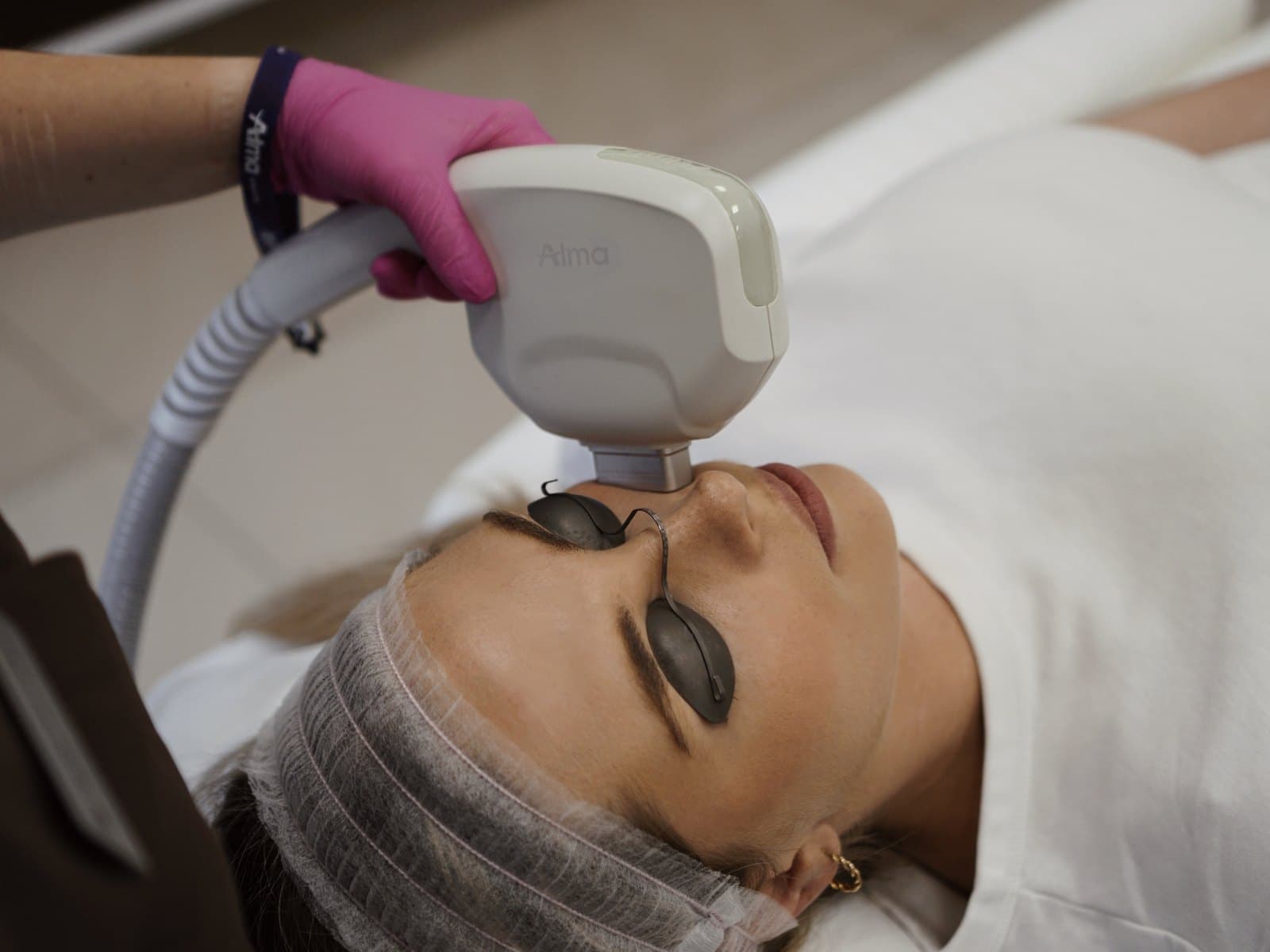
Laser treatment of pigmentation and redness
Laser treatment of pigmentation and redness is a safe way to even out skin tone and reduce spots, redness and symptoms of rosacea.
Learn more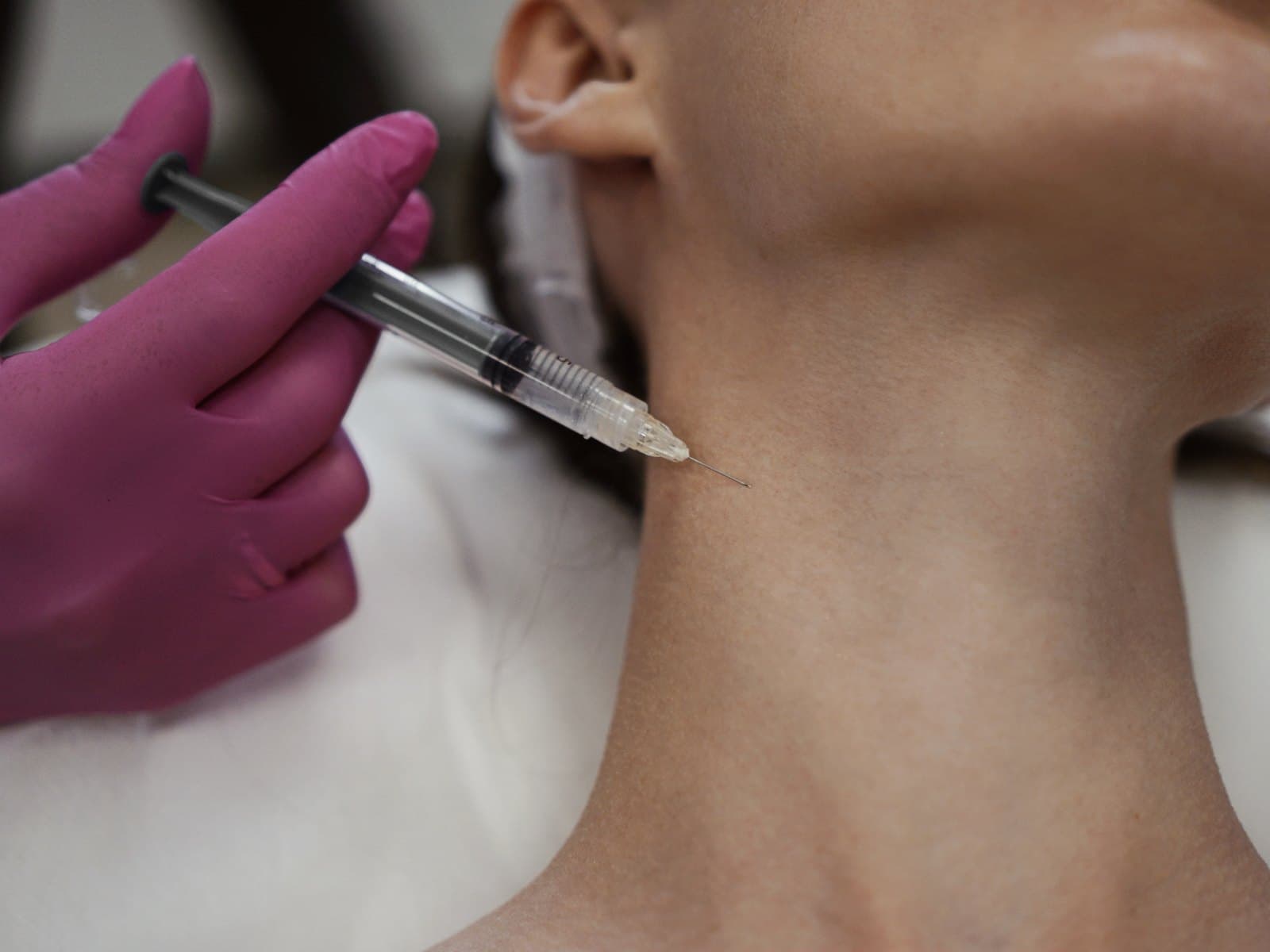
Needle Mesotherapy
Needle mesotherapy is a “cocktail” of vitamins, amino acids, and hyaluronic acid delivered directly into the skin — it deeply hydrates, revitalizes, and improves firmness and tone.
Learn more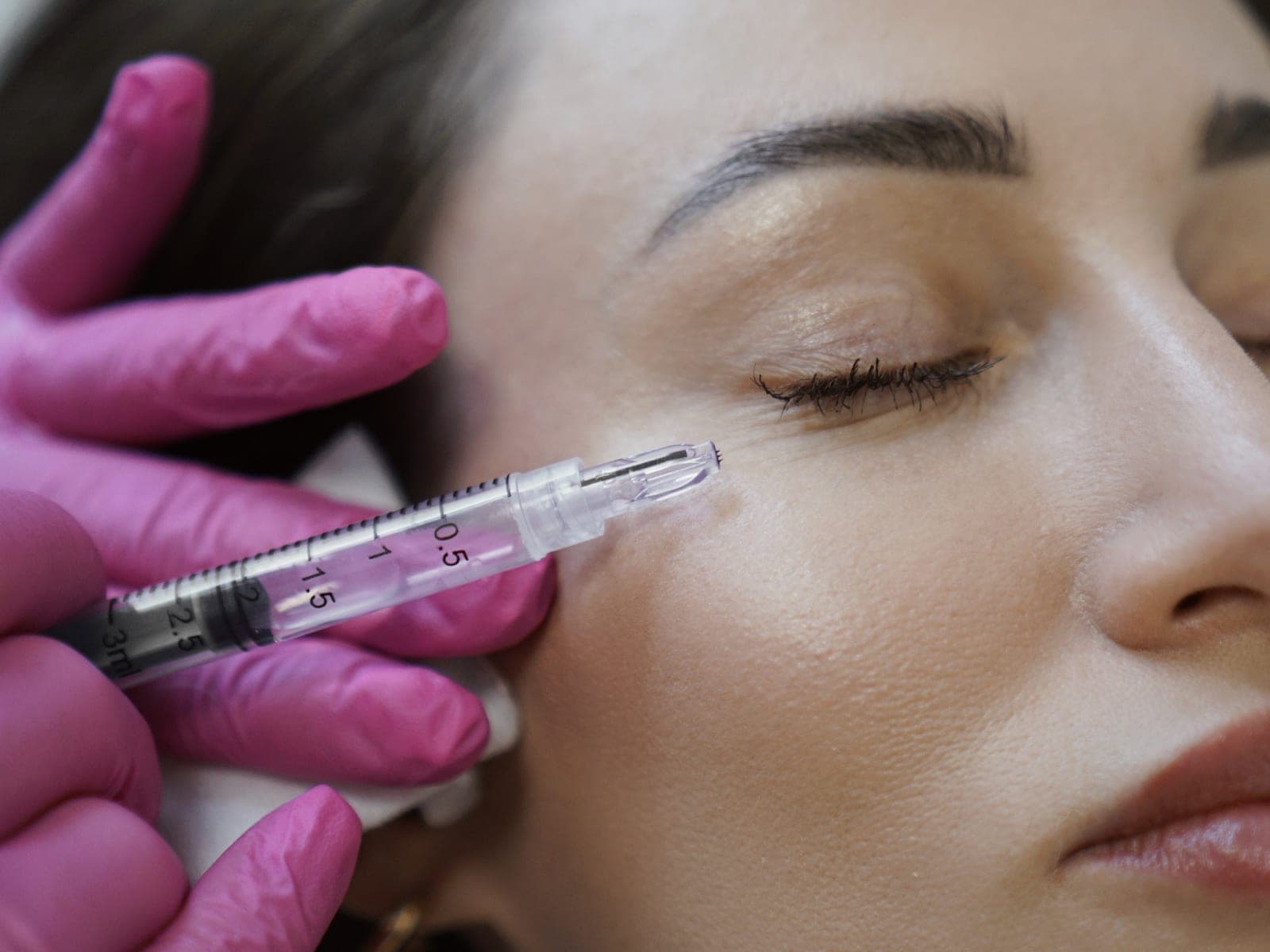
Nano-needle mesotherapy
Nano-needle mesotherapy is a treatment for the most delicate areas — it hydrates, firms and nourishes the skin around the eyes, on the neck and on the décolletage almost painlessly.
Learn moreReady for the first step?
Book a visit at the clinic that suits you.