
Treatment
Laser removal of scars and stretch marks
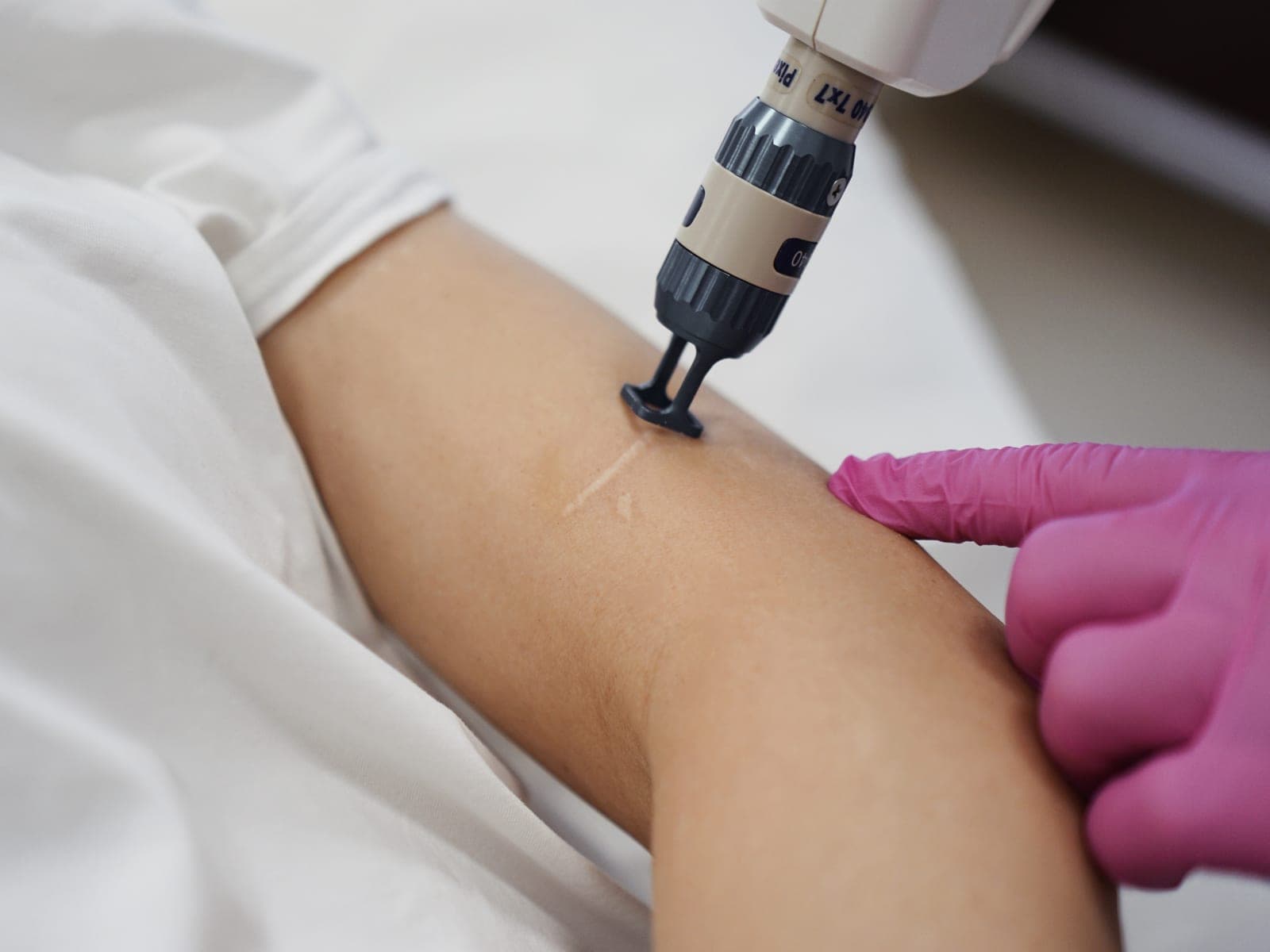
Laser removal of scars and stretch marks smooths post-acne, post-surgical scars and post-pregnancy stretch marks. The fractional laser stimulates the skin to rebuild collagen, and the qualification is carried out by a cosmetologist.
At a glance
Duration
30–60 min
Anaesthesia
Yes (cream with lidocaine)
Back to everyday life
Recovery up to 7 days
Results visible
First effects after 10–14 days
Recommended series
Usually 3–6 treatments
This treatment helps with
Where we perform this treatment
MEDESTETIS Klinika Dr Kuschill & Dr Grodecka
Garncarska 8, Kraków
Performed by

MEDESTETIS Klinika Dr Kuschill
Włodarzewska 81, Warszawa
Performed by

What the treatment involves
The treatment uses a fractional laser, whose beam penetrates the skin over 15–20% of its surface, creating microdamage surrounded by healthy tissue. It is this that triggers the process of rebuilding and remodeling collagen — the skin gradually smooths from within.
Post-acne scars are the most common reason for visits. The fractional laser shallows the depressions after acne and evens out the structure and complexion of the skin. We match the fractional laser settings to the type of scars — the decision is made by the cosmetologist during the consultation.
Post-surgical and post-traumatic scars — including after a cesarean section — also respond well to a series of treatments. If a scar is hypertrophic or requires correction of its shape, surgical scar treatment is also possible at our clinics; the doctor will indicate the appropriate path.
Stretch marks respond best to the laser in the early, red phase — which is why the earlier you start, the better the effect. Mature, white stretch marks can also be shallowed and smoothed, though this usually requires a longer series.
Scars and stretch marks are dermal scar lesions that are difficult to remove completely, but studies confirm that fractional lasers effectively improve their structure, color and depth.
Indications
We recommend the treatment primarily for:
- stretch marks on the breasts, thighs, buttocks and abdomen, including after pregnancy
- post-acne and post-chickenpox scars
- scars after a cesarean section and surgical procedures
- post-traumatic scars
How the treatment works
The treatment is preceded by a consultation and selection of parameters depending on the type of lesion. We numb the skin with a cream containing lidocaine.
The laser creates thermal microdamage in the skin, which starts intercellular rebuilding. The procedure lasts 30–60 minutes.
Results
Scars and stretch marks shallow, the skin structure smooths and the complexion evens out. First effects are visible after 10–14 days.
The final result depends on the number of sessions; with a full series the effects can last up to 2 years.
Aftercare
Immediately after the treatment the skin is red and irritated, and scabs may appear. Recovery usually does not exceed 7 days. Remember to:
- for about 4 weeks avoid the sun and use a high SPF filter
- care for the skin with soothing creams recommended by the cosmetologist
- do not pick at the scabs
In addition, follow our recommendations after laser treatments. The remodeling of the skin and smoothing of the scars is a process lasting many weeks, usually requiring a series; report any unusual ailments to the clinic:
- apply a regenerating product indicated by the specialist to the skin
- for the first week wash the skin with gentle products
- for 72 hours avoid intense exertion (running, fitness)
- postpone the pool and sauna until the skin has fully healed
- protect the skin from the sun for up to 6 months with a UV 50+ filter (risk of discoloration)
Contraindications
We do not perform the treatment in cases including:
- pregnancy and breastfeeding
- bacterial or viral skin infection
- taking isotretinoin in the last 6–9 months
- radiotherapy, scleroderma and immune disorders
- a tendency toward herpes
- very dark complexion (phototype VI) and a tendency toward keloids
The final qualification is carried out by the cosmetologist during the consultation.
Frequently asked questions
Will the laser remove stretch marks completely?+
Stretch marks usually cannot be removed 100%, but the fractional laser effectively shallows them and improves the complexion and structure of the skin.
Does it work better on fresh or old stretch marks?+
Fresh, reddish stretch marks respond best, but white, mature lesions can also be improved with a series of treatments.
Does the treatment hurt?+
We numb the skin with a cream containing lidocaine, so it is comfortable; afterward you feel heat and tightness.
How many treatments are needed?+
Usually 3–6 treatments, but the final number is set by the cosmetologist depending on the type and depth of the lesions.
When will I see effects?+
First effects after 10–14 days, and the result builds up with the rebuilding of collagen over the following months.
When is the best time to have the treatment?+
Best in autumn and winter, so that the healing skin is not exposed to intense sun.
How much does laser removal of scars cost?+
The price depends on the technology and the size of the area — fractional laser treatments start from 600 zł per session. You will receive an exact quote after the consultation, once the cosmetologist has assessed the scar and selected the method and number of treatments.
Does the laser help with post-acne scars?+
Yes — post-acne scars are one of the main indications for the treatment. The fractional laser shallows the depressions and evens out the skin surface; a series of 3–6 treatments is usually needed, and effects build up over several weeks after each one.
Can scars be removed with home remedies?+
Ointments and creams can improve the hydration and elasticity of a fresh scar, but they will not remove a mature scar — this is a permanent remodeling of the skin, on which products act only superficially. Real improvement in structure and color is provided by procedural methods, selected for the scar type by a cosmetologist.
Sources
Related treatments
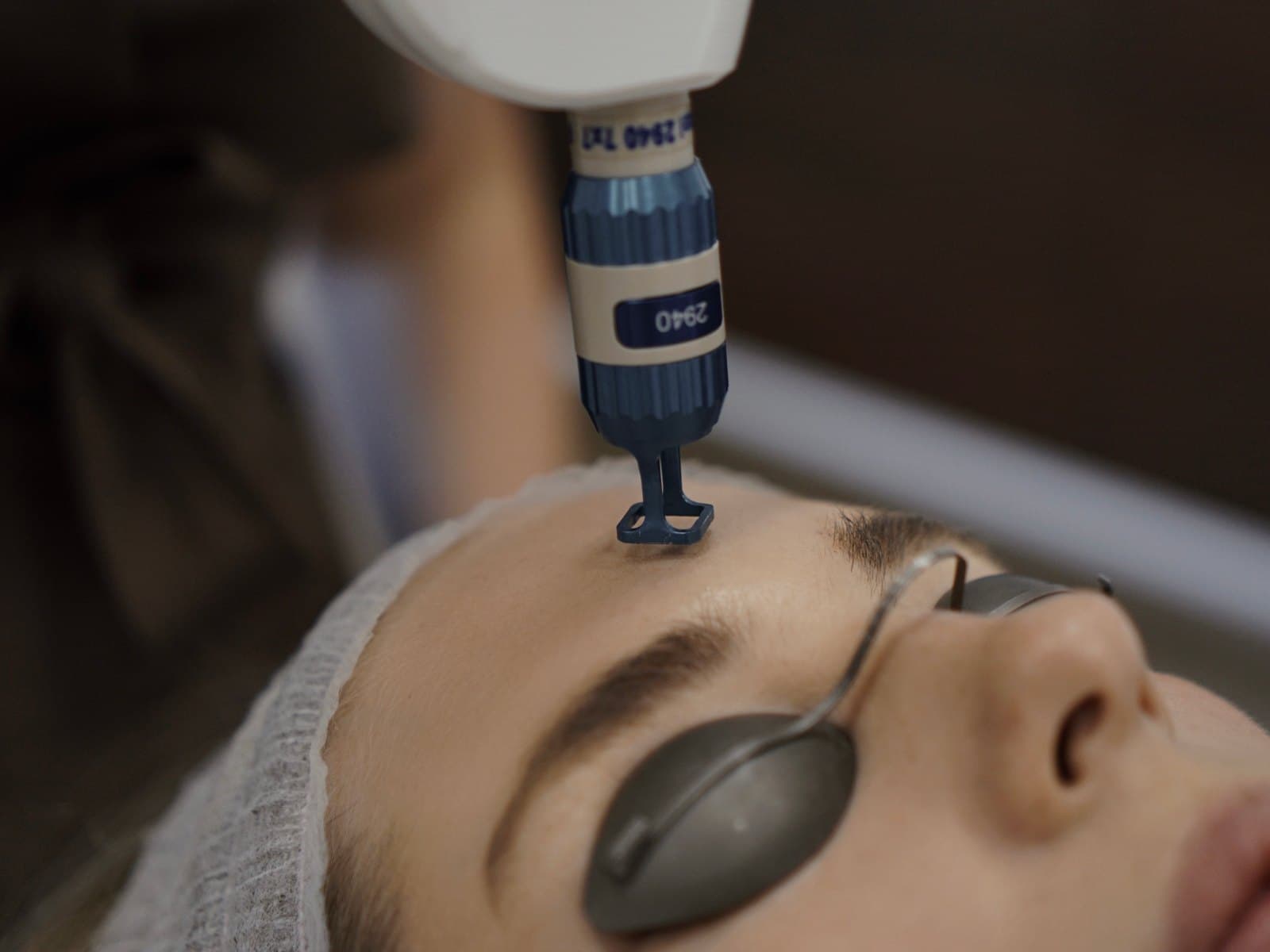
2940 nm Fractional Laser
The 2940 nm fractional laser (Er:YAG) is an ablative resurfacing treatment that smooths scars, stretch marks and wrinkles, prompting the skin to rebuild collagen.
Learn more
1927 nm Thulium Laser
The 1927 nm thulium laser is a non-ablative fractional treatment that evens out skin tone, reduces discoloration and refreshes the skin without long recovery.
Learn more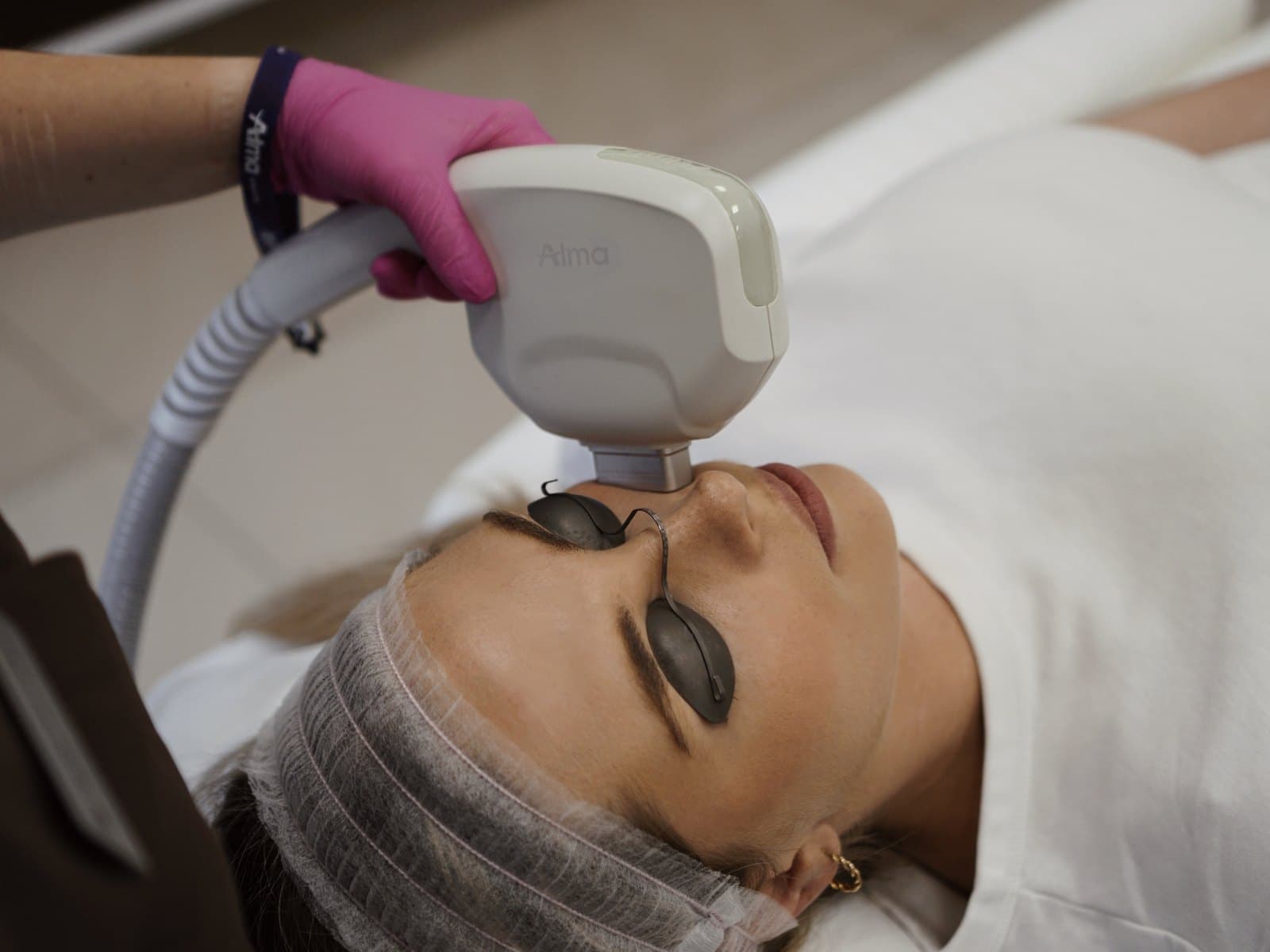
Laser treatment of pigmentation and redness
Laser treatment of pigmentation and redness is a safe way to even out skin tone and reduce spots, redness and symptoms of rosacea.
Learn moreReady for the first step?
Book a visit at the clinic that suits you.