
Treatment
Seborrhea treatment
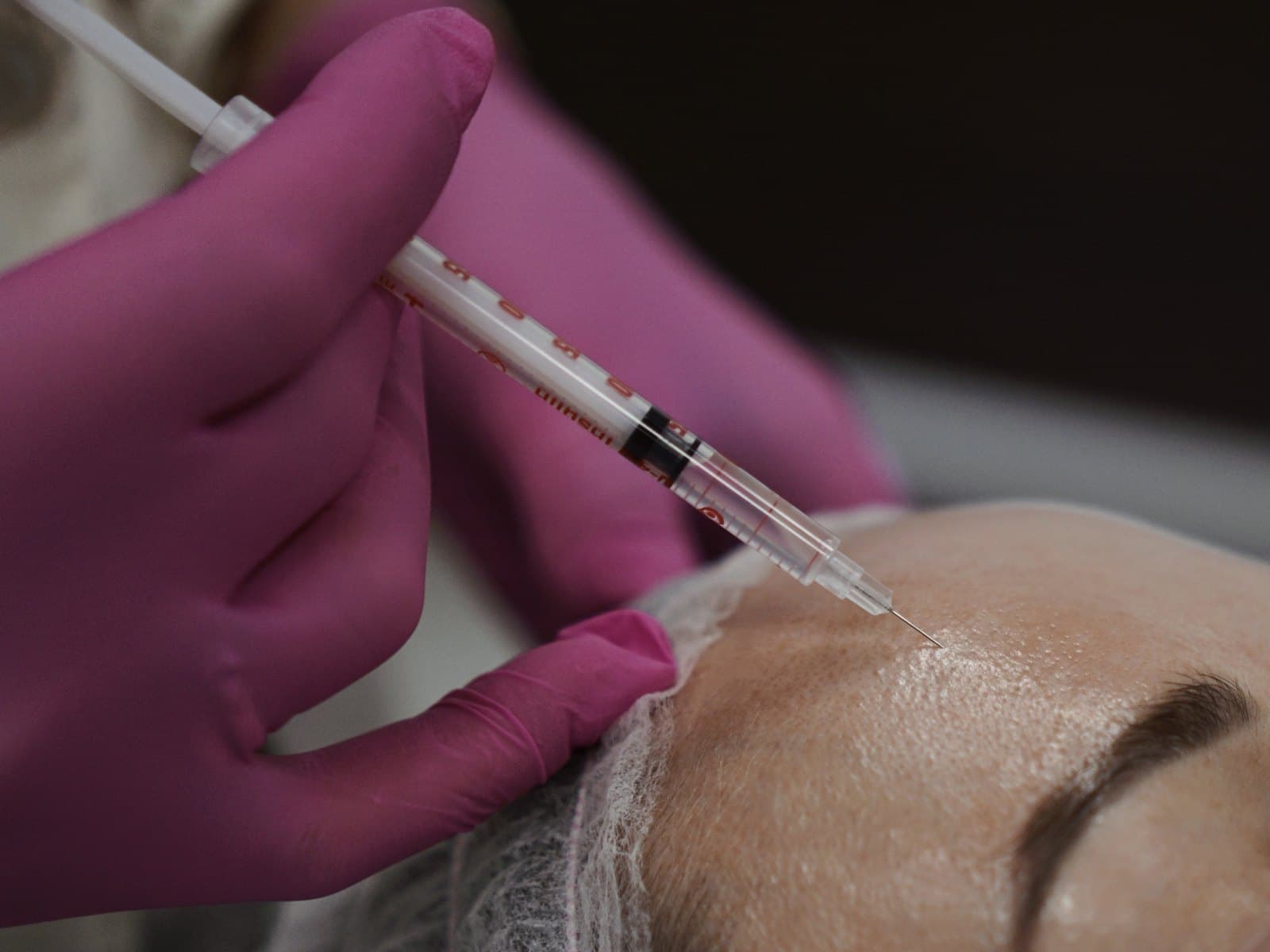
Seborrhea treatment comprises therapies that regulate the sebaceous glands and reduce oily skin — peels, dermatological treatments and care selected by a doctor, aimed at reducing shine and the number of imperfections.
At a glance
Duration
Consultation and treatments per plan (usually 30–45 min)
Anaesthesia
Usually no anesthesia
Back to everyday life
Usually immediately; after peels redness and flaking possible
Results visible
Gradually, usually after a few weeks of treatment
Recommended series
Usually a series of treatments every few weeks + home care
This treatment helps with
Where we perform this treatment
MEDESTETIS Klinika Dr Kuschill & Dr Grodecka
Garncarska 8, Kraków
Performed by



MEDESTETIS Klinika Dr Kuschill
Włodarzewska 81, Warszawa
Performed by


What the treatment involves
Seborrhea treatment is a set of therapies aimed at regulating the sebaceous glands and reducing the symptoms of oily skin — excessive shine, enlarged pores and a tendency toward imperfections. At the Dr Kuschill MEDESTETIS clinics (Krakow and Warsaw) the plan combines in-office treatments (e.g. peels, mesotherapy) with appropriately selected care and, if needed, dermatological treatment.
Sebum is produced by the sebaceous glands and serves an important, protective function for the skin. The problem arises when its secretion is excessive — this is favored by hormonal balance (androgens) and genetic predisposition, among others, and the severity of seborrhea can also be linked to seborrheic dermatitis and the proliferation of Malassezia yeasts. That is why effective therapy begins with determining the cause.
Because seborrhea and oily skin have a medical basis and can be chronic, the qualification and choice of method is led by a doctor; in many cases we start with a dermatological consultation. The goal is to control the symptoms and improve skin comfort, not a one-time „cure” — which is why we do not promise permanent removal of seborrhea.
Indications
We consider the therapy for people with oily skin and symptoms of seborrhea. Typical indications are:
- excessive oiliness and shine of the skin (especially the T-zone)
- enlarged pores and uneven skin texture
- a tendency toward blackheads and imperfections
- seborrhea of the face and scalp
- a matte, „thick” complexion requiring cleansing and regulation
- a desire to organize care for oily and combination skin
If seborrhea is accompanied by inflammation, acne lesions, flaking or itching (possible seborrheic dermatitis), a dermatological consultation and treatment targeting the cause is advisable.
How the treatment works
We start with a consultation: the doctor assesses the skin type and condition, the severity of seborrhea and any coexisting lesions, and then sets a plan. If needed, they refer you for diagnostics or a dermatological consultation when a disease-related basis is suspected.
The plan may include normalizing and cleansing treatments, such as peels (e.g. acids) or mesotherapy that improves skin condition, as well as home care selected by the doctor and — if necessary — topical dermatological treatment. The treatments are usually performed in a series, at intervals of a few weeks.
We assess the effects and the skin's tolerance at follow-up visits and modify the plan as needed. Once improvement is achieved, maintenance care is usually recommended, because the tendency toward seborrhea can be persistent.
Results
The goal of the therapy is to reduce oiliness and shine of the skin, cleanse and narrow the appearance of the pores and limit imperfections — the skin becomes more matte, smoother and better oxygenated. Effects appear gradually, usually after a few weeks of systematic treatment.
Because seborrhea has a hormonal and genetic basis, among others, the effect requires maintenance, and the treatments themselves are supported by daily, appropriate care. The result is individual and depends on the cause, which is why we focus on realistic control of the symptoms, without a guarantee of permanent resolution of the problem.
Aftercare
The recommendations depend on the specific treatment (especially after peels), but most often we ask that you:
- use sun protection (SPF) — mandatory after peels
- avoid the sauna, solarium, pool and intense exertion for 1–2 days after the treatment
- do not scratch or pick at the flaking epidermis after a peel
- gently cleanse and moisturize the skin as recommended by the doctor
- avoid strong exfoliating cosmetics between treatments, if the doctor so advises
- use home care selected for oily skin
Transient redness, a feeling of tightness and flaking after peels are typical. Intense or unusual symptoms are worth consulting with the clinic.
Contraindications
Contraindications (depending on the type of treatment):
- pregnancy and breastfeeding (some treatments and products)
- active skin infection at the treatment site (e.g. herpes, purulent lesions)
- active, severe inflammation or skin irritation
- fresh tan (applies to peels)
- taking photosensitizing medications or treatments or oral retinoids (individual assessment)
- hypersensitivity to the components of the products used
- a tendency toward keloids
The final qualification, choice of treatments and any dermatological treatment is set by the doctor during the consultation.
Pricing
Seborrhoea treatment
The final cost is agreed during the consultation, once your plan is set.
Frequently asked questions
What is seborrhea and oily skin?+
Seborrhea is excessive secretion of sebum by the sebaceous glands, manifested by oiliness, shine, enlarged pores and a tendency toward imperfections. It has a hormonal and genetic basis, among others, and can be linked to seborrheic dermatitis.
How do you treat seborrhea?+
We select the plan individually — we combine in-office treatments (e.g. peels, mesotherapy), home care selected by the doctor and, if needed, dermatological treatment. We start by determining the cause.
Can seborrhea be cured permanently?+
We usually speak of control rather than permanent cure — a tendency toward seborrhea can be hormonally and genetically determined. Therapy and care allow the skin to be kept in better condition, but the effect requires maintenance.
When is a dermatological consultation needed?+
When seborrhea is accompanied by inflammation, acne lesions, flaking or itching — this may point, for example, to seborrheic dermatitis, which requires treatment targeting the cause.
After how long are effects visible?+
Usually gradually, after a few weeks of systematic treatment and care. The best effects come from a full series of treatments combined with daily, appropriate home care.
Are seborrhea treatments painful?+
Most treatments are well tolerated and performed without anesthesia. After peels, transient redness, tightness and flaking of the skin are possible.
Sources
Related treatments
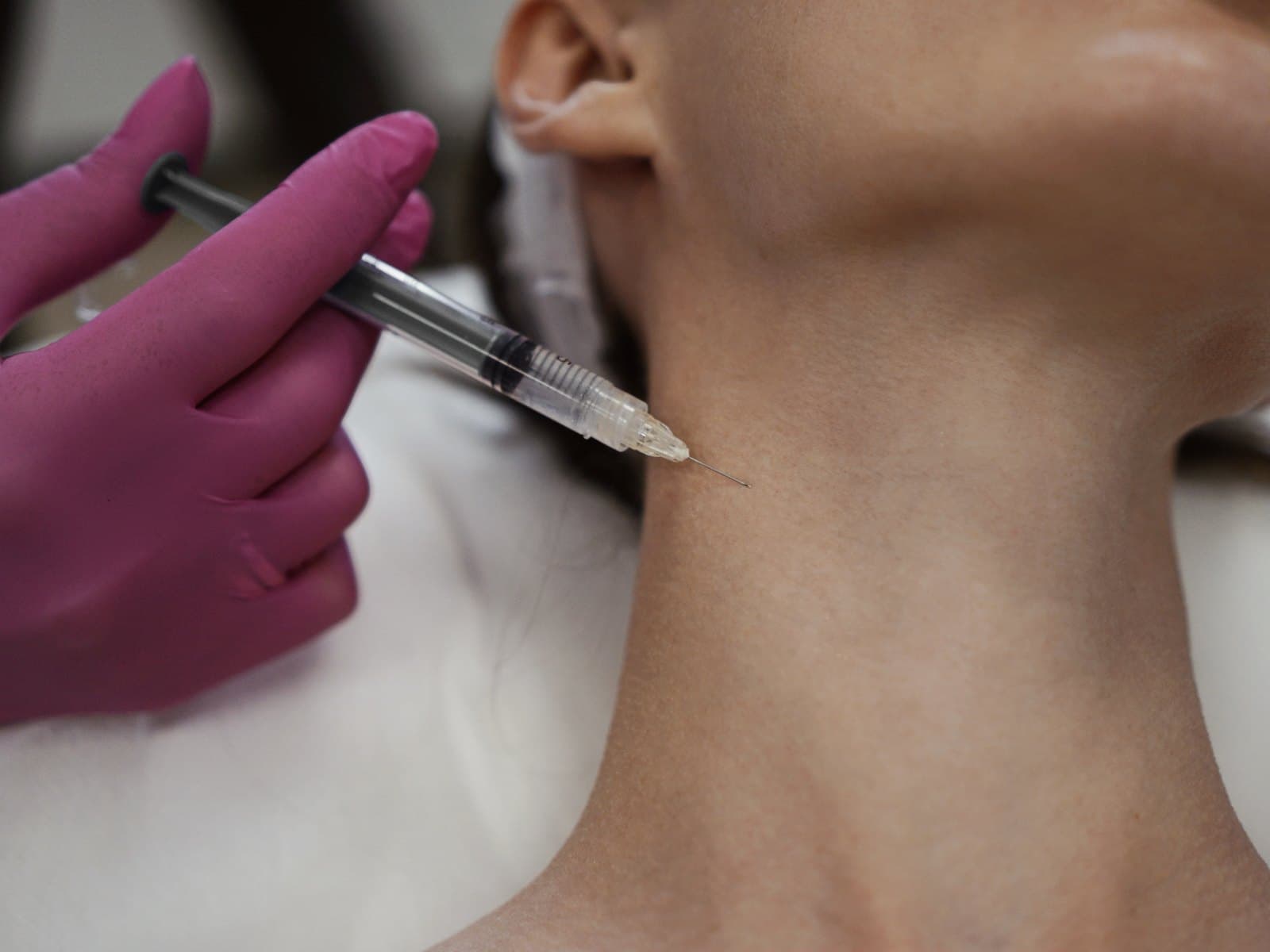
Needle Mesotherapy
Needle mesotherapy is a “cocktail” of vitamins, amino acids, and hyaluronic acid delivered directly into the skin — it deeply hydrates, revitalizes, and improves firmness and tone.
Learn more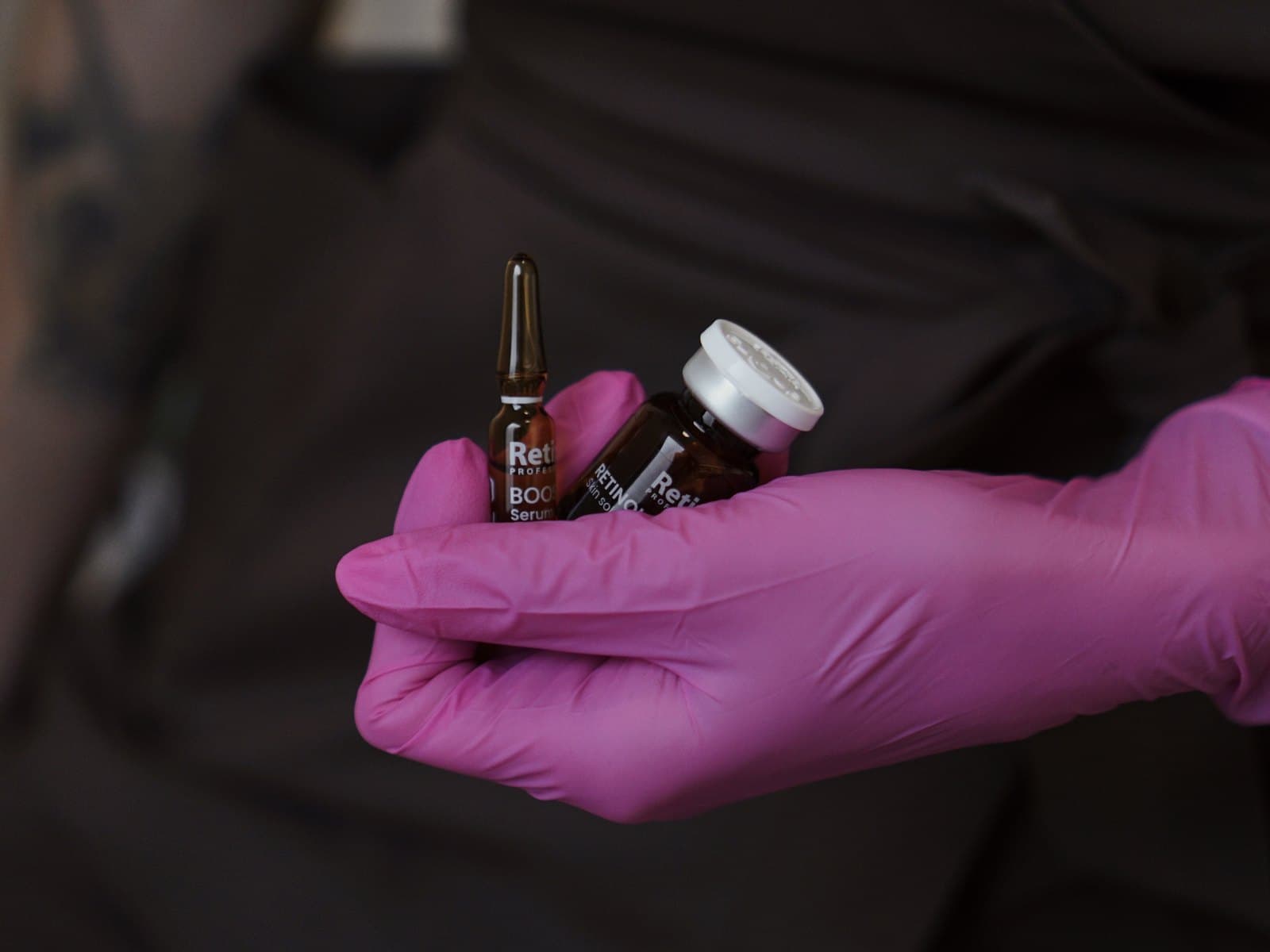
Retinol
A retinol treatment is an intensive, controlled renewal of the epidermis that smooths the skin, reduces fine wrinkles and discoloration and improves skin tone.
Learn more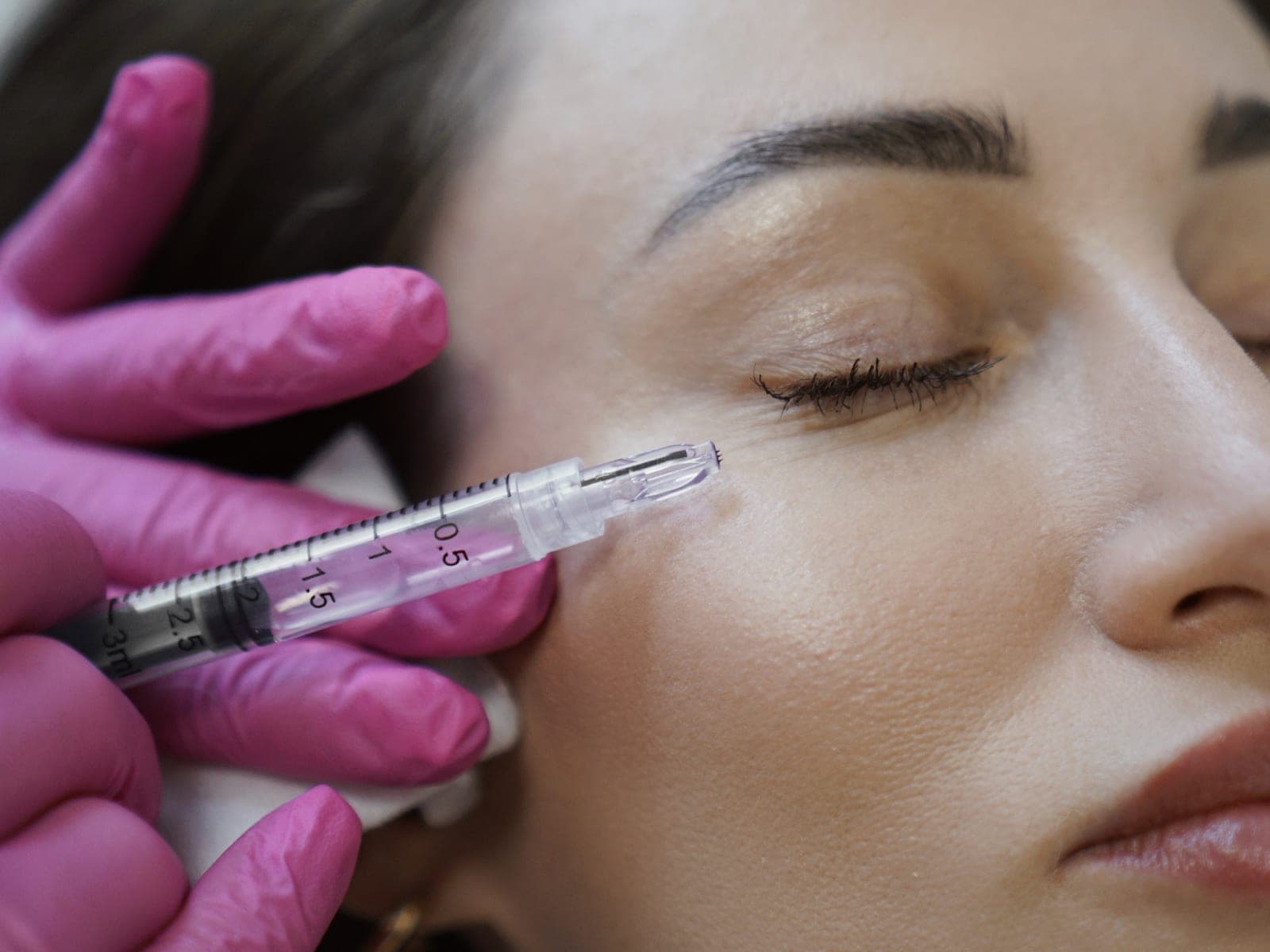
Nano-needle mesotherapy
Nano-needle mesotherapy is a treatment for the most delicate areas — it hydrates, firms and nourishes the skin around the eyes, on the neck and on the décolletage almost painlessly.
Learn moreReady for the first step?
Book a visit at the clinic that suits you.