
Treatment
Polycaprolactone
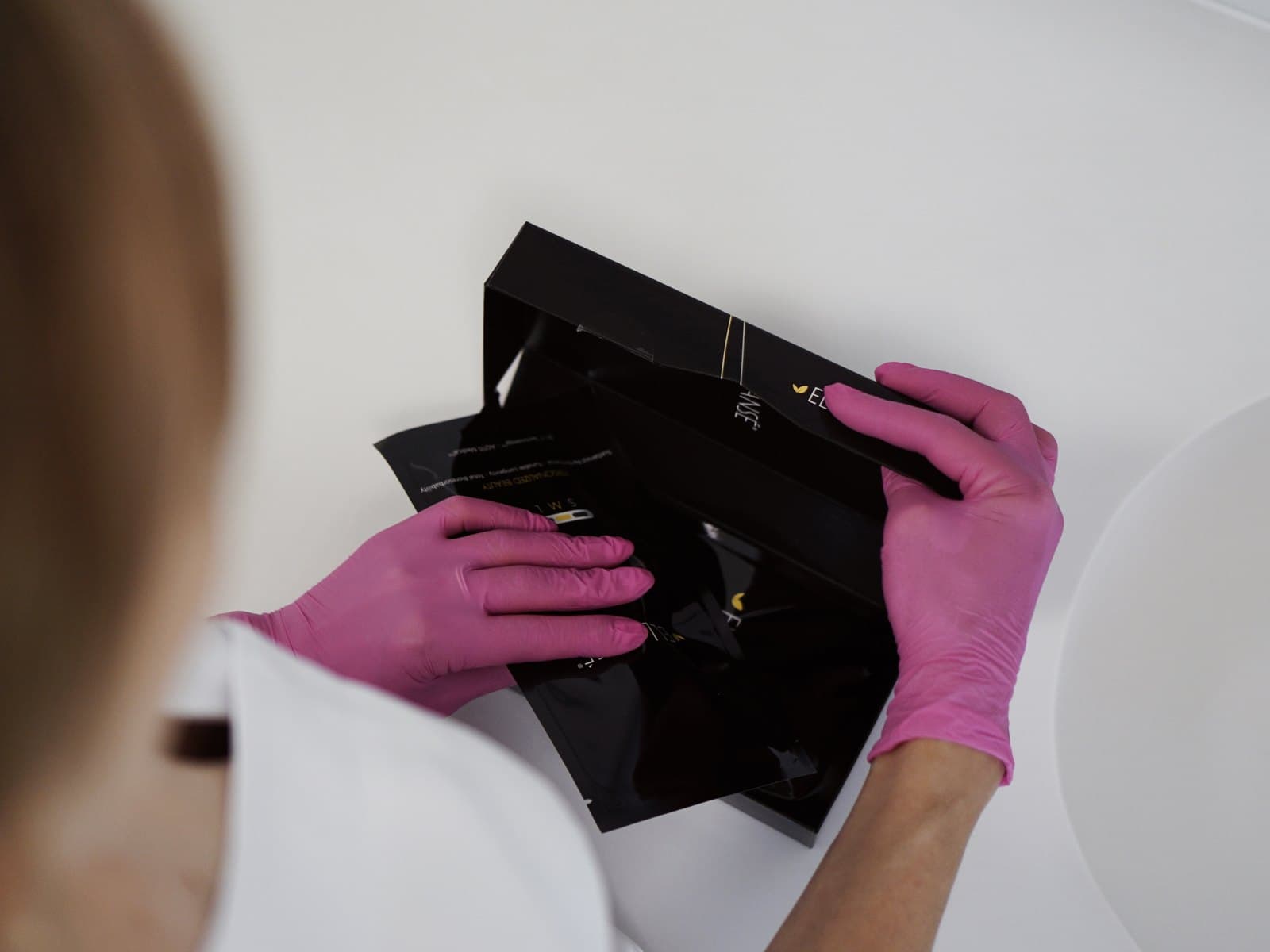
Polycaprolactone is a modern collagen stimulator - PCL microspheres suspended in a gel simultaneously fill and stimulate the skin to produce its own collagen, delivering a long-lasting, natural effect.
At a glance
Duration
Approx. 30-60 min
Anaesthesia
Yes (product with lidocaine and/or a numbing cream)
Back to everyday life
Usually right away or the next day
Results visible
Partly right away, full effect builds over weeks
Recommended series
Usually 1 treatment (a top-up possible after assessment)
This treatment helps with
Where we perform this treatment
MEDESTETIS Klinika Dr Kuschill & Dr Grodecka
Garncarska 8, Kraków
Performed by




MEDESTETIS Klinika Dr Kuschill
Włodarzewska 81, Warszawa
Performed by


What the treatment involves
Polycaprolactone (PCL) is a biodegradable and biocompatible polymer that, in aesthetic medicine, acts as a collagen stimulator. In PCL-based products, polycaprolactone microspheres are suspended in a carboxymethylcellulose (CMC) gel.
The product acts in two stages. Immediately after administration, the CMC gel provides a filling and smoothing effect - visible right away. Over time, the gel is naturally absorbed, and the PCL microspheres stimulate fibroblasts to produce their own collagen, which gradually takes over the role of tissue support. As a result, the effect is long-lasting and looks natural.
Polycaprolactone has been used in aesthetics for years and carries the CE mark; its properties as a collagen stimulator have been described in scientific publications. Depending on the product version (which differs in the PCL resorption rate), the effect can last roughly from about a year to several years.
At the Dr Kuschill MEDESTETIS clinics in Krakow and Warsaw, the treatment is preceded by a consultation and medical qualification. It is the physician who selects the product version, the area and the administration technique to suit the facial structure and the patient's expectations.
Indications
Polycaprolactone is used where a simultaneous replenishment of volume and a long-lasting improvement in skin quality is needed. The indications include, among others:
- loss of firmness and a sagging facial oval
- nasolabial folds and marionette lines
- loss of volume around the cheeks, temples and jaw
- improvement of the contour and support of the lower face
- a general age-related decline in skin tone and density
- a desire to achieve a long-lasting, gradually building rejuvenation effect
How the treatment works
The treatment begins with a consultation, facial assessment and qualification. We cleanse and numb the skin - PCL products often contain lidocaine, and a numbing cream can additionally be applied.
The product is administered with a needle or cannula into the deep layer (subcutaneously), sculpting the indicated areas. The treatment usually takes 30-60 minutes, depending on the number of areas.
One treatment is most often sufficient, and any top-up is assessed by the physician after a few weeks, once the full biostimulation effect is visible. The treatment plan is set individually.
Results
The effect has two phases: immediate smoothing and volume replenishment thanks to the gel, followed by gradual consolidation and improved firmness thanks to the newly forming collagen. The skin looks firmer, and the features rested and naturally supported.
The durability of the effect is one of the advantages of polycaprolactone - depending on the product version, it lasts roughly from about a year to several years. Results are individual and depend, among other things, on skin structure, the area and lifestyle; effects cannot be guaranteed.
Aftercare
After the treatment, the skin needs a few days of gentle handling. You will receive detailed recommendations in writing; they usually include:
- avoiding touching and pressing the injection sites, and makeup, for the first few hours
- avoiding the sauna, swimming pool, intense exercise and hot baths for approx. 1-2 weeks
- avoiding sun exposure and the solarium, and applying SPF
- avoiding alcohol and blood-thinning medications in the peri-treatment period (as advised by the physician)
Contraindications
Polycaprolactone is administered by a physician after qualification. The contraindications include, among others:
- pregnancy and breastfeeding
- an active infection or inflammation at the treatment site
- a tendency to keloids and hypertrophic scarring
- autoimmune diseases in an active phase
- blood coagulation disorders
- hypersensitivity to the product's ingredients (including lidocaine)
- cancer under treatment
Given the durability of the effect, the decision to undergo the treatment should be made carefully; the final qualification is carried out by the physician.
Pricing
Ellanse
| Wariant | Zabieg pojedynczy |
|---|---|
| Ellanse M (1 ml) | 2000 zł |
| Additional ml | 1750 zł |
The final cost is agreed during the consultation, once your plan is set.
Frequently asked questions
How does polycaprolactone differ from an ordinary hyaluronic acid filler?+
Hyaluronic acid mainly fills and can be dissolved, whereas polycaprolactone additionally stimulates the skin to produce its own collagen, delivering a longer-lasting, gradually building effect.
How long does the effect of polycaprolactone last?+
Depending on the product version, the effect lasts roughly from about a year to several years. Its durability is individual and depends, among other things, on the treatment area and skin characteristics.
Does the treatment hurt?+
PCL products usually contain lidocaine, and a numbing cream can additionally be applied, which is why the treatment is generally well tolerated. Transient discomfort and tenderness are possible.
When will I see the effect?+
Part of the effect (filling) is visible right away thanks to the gel, while the full result - associated with collagen biostimulation - builds up over the following weeks.
Can the effect be reversed?+
Unlike hyaluronic acid, polycaprolactone is not dissolved enzymatically, which is why the treatment should be performed by an experienced physician after a thorough qualification.
Are there visible marks after the treatment?+
Transient redness, swelling or minor bruising may appear at the puncture sites, which usually subsides within a few days.
How much does polycaprolactone cost?+
The treatment costs from 1750 to 2000 zł, depending on the scope and area. You will receive an exact quote during the consultation, and the full list can be found in the price list.
Sources
Related treatments
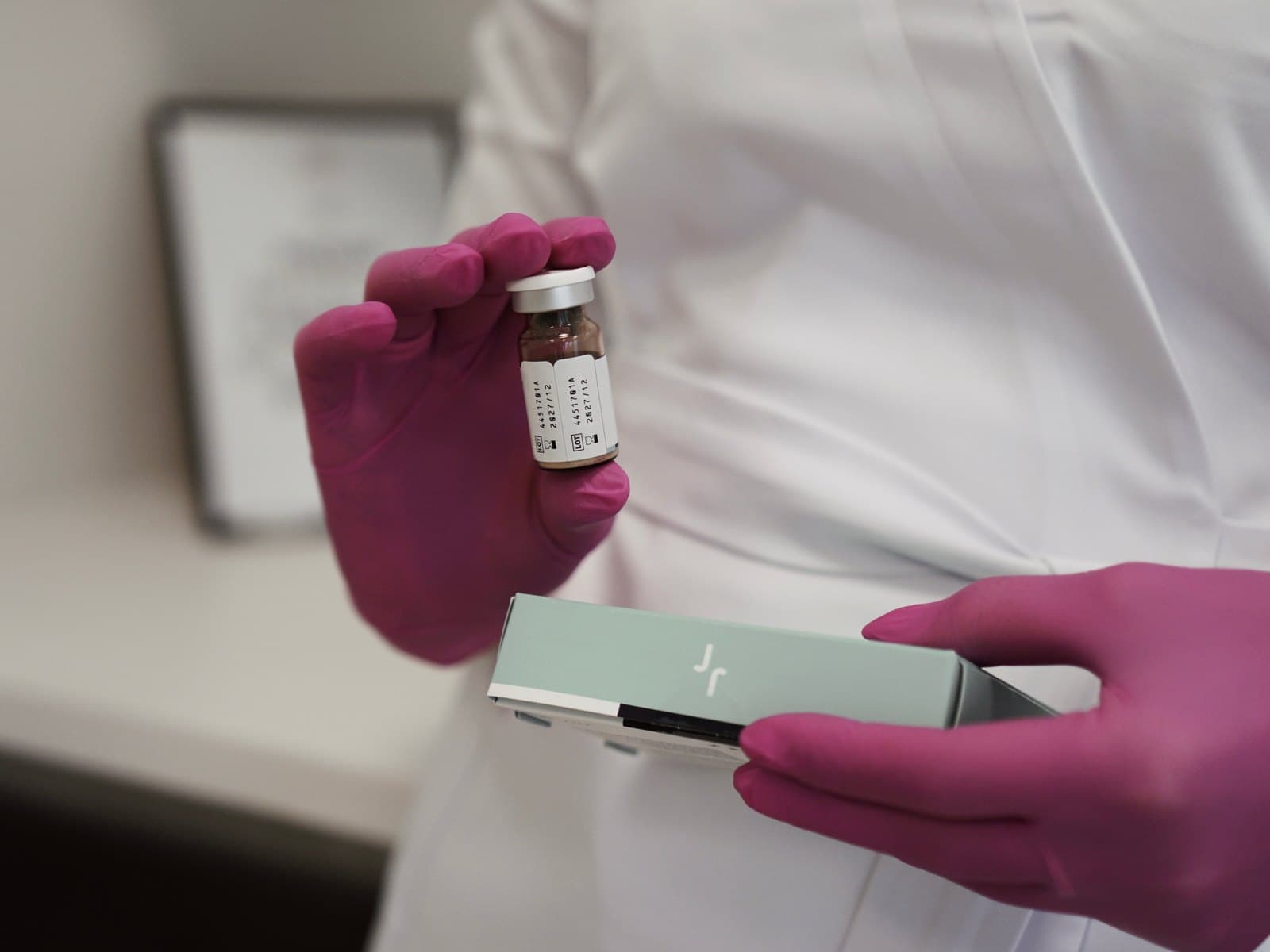
Poly-L-lactic acid
Poly-L-lactic acid (PLLA) is a collagen biostimulator - it does not fill wrinkles on the spot but prompts the skin to rebuild its own collagen, delivering a gradual and long-lasting effect.
Learn more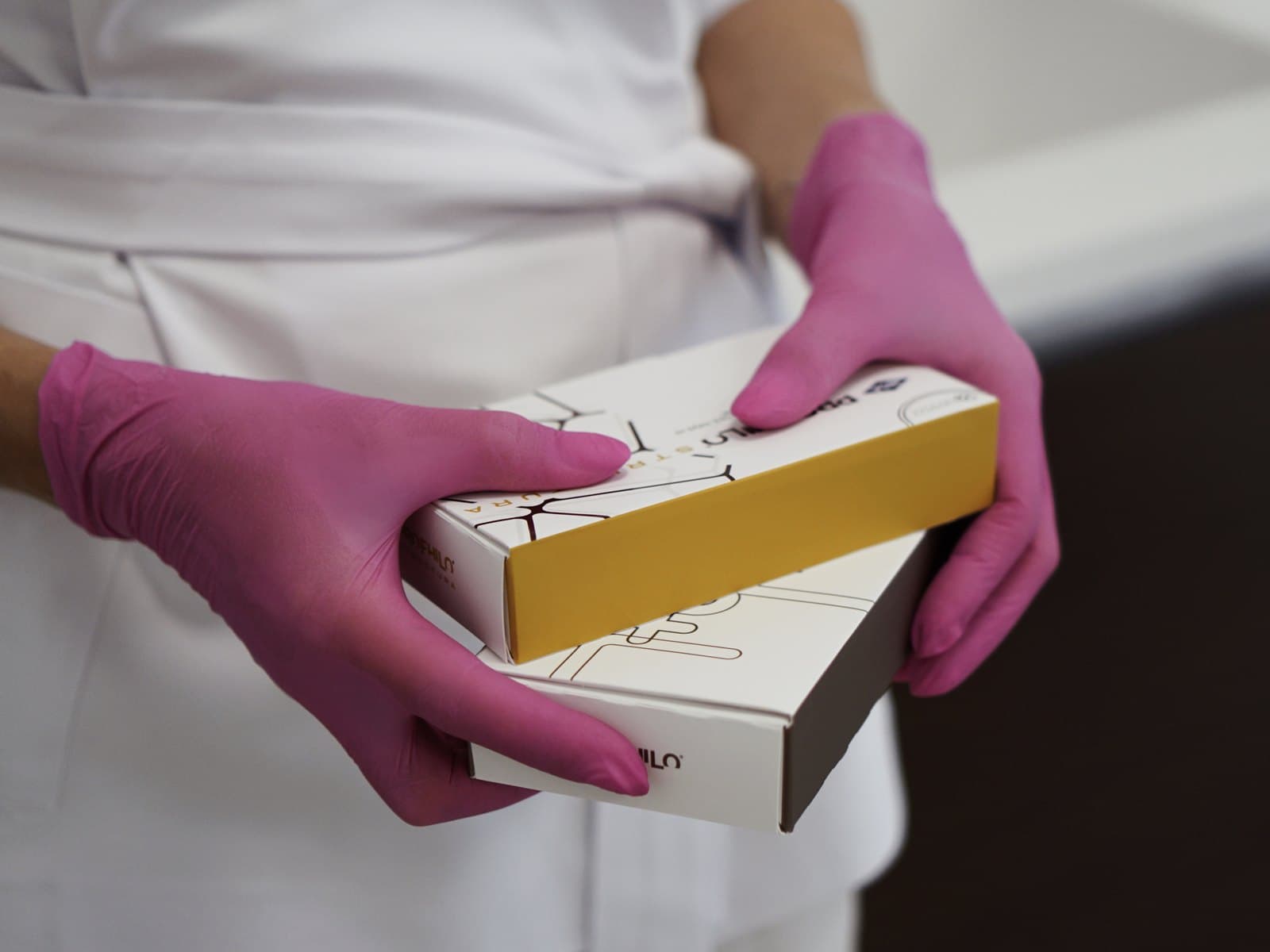
Tissue stimulators
Tissue stimulators are injectable products based on hyaluronic acid or polynucleotides that prompt the skin to produce its own collagen and elastin — improving hydration, firmness and overall skin quality rather than filling wrinkles.
Learn more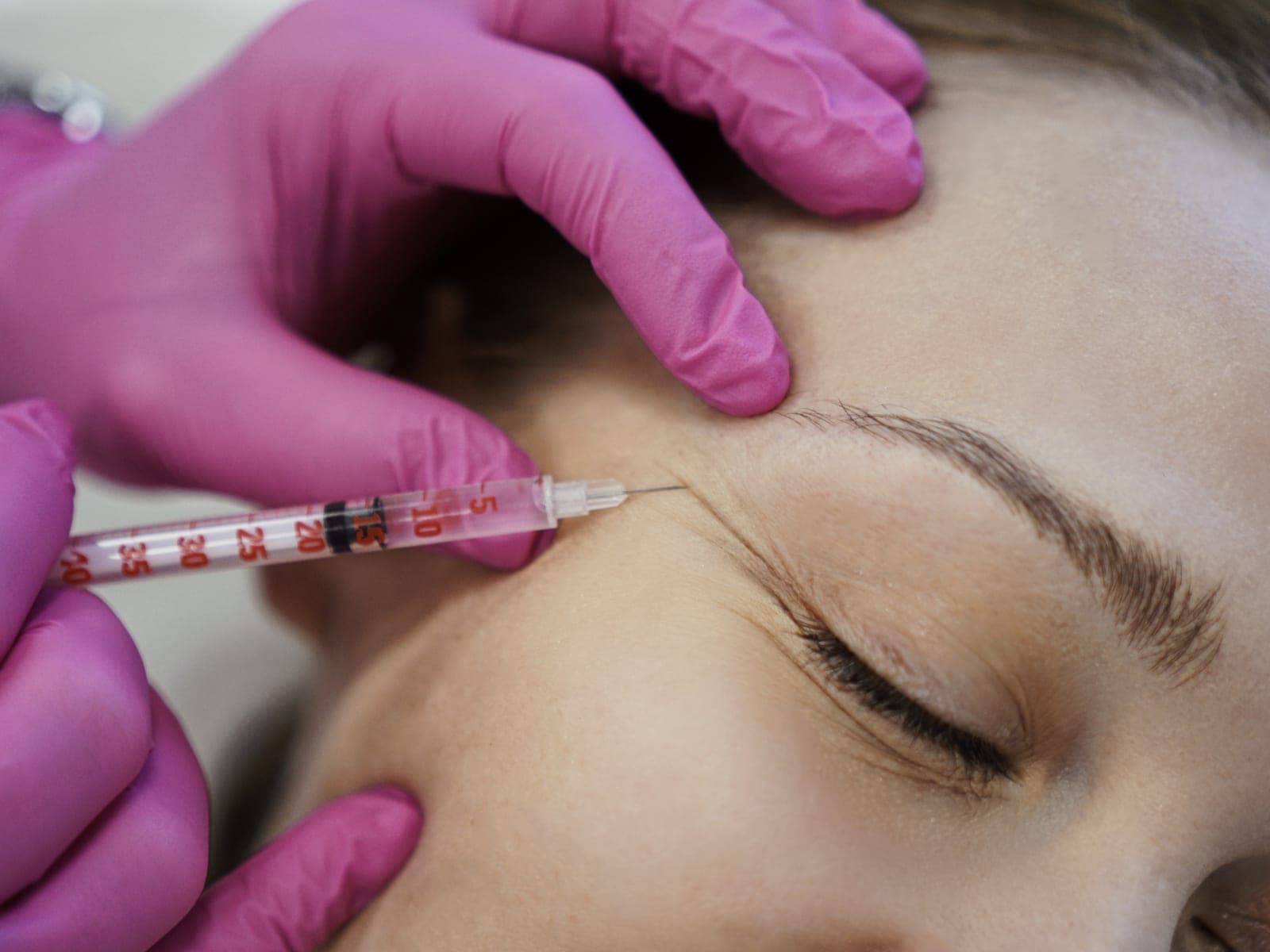
Botulinum Toxin Injection
Botox (botulinum toxin) is one of the most thoroughly researched treatments in aesthetic medicine — it precisely smooths expression lines on the forehead, around the eyes, and between the brows, giving a natural, rested look.
Learn moreReady for the first step?
Book a visit at the clinic that suits you.