Player Suggestions Adopted: Big Bass Crash Game Listens to Canada Community
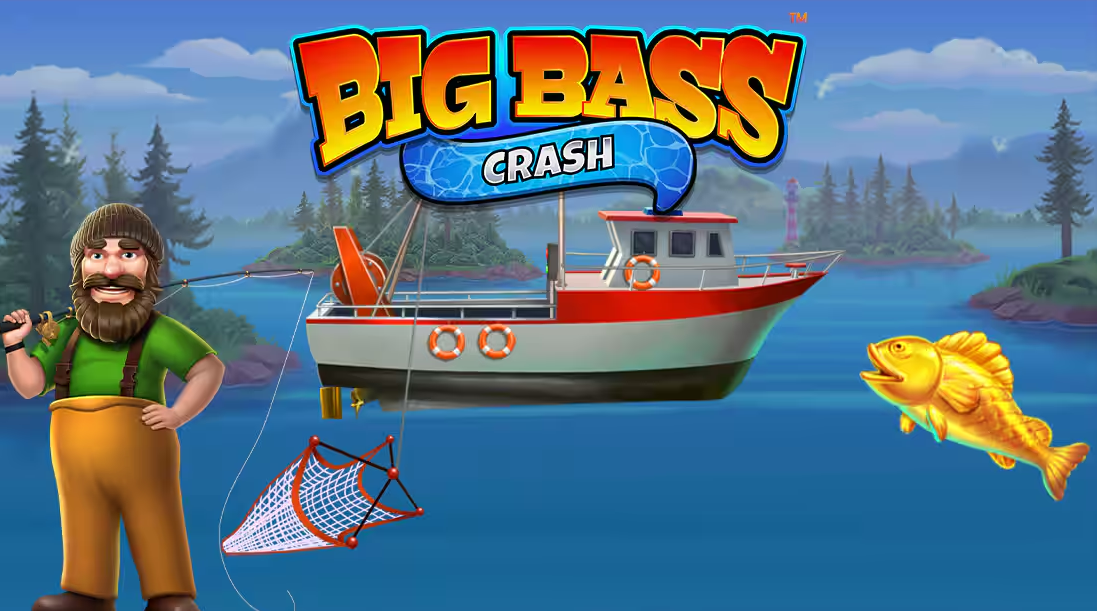
The online gaming scene is saturated. Titles appear and vanish all the time. A game that endures does so because it grows and improves. Right now in Canada, something remarkable is happening with the Big Bass Crash game. Its developers took a decisive step. They decided to listen to their players. They didn’t just create a suggestion channel and neglect it. They created direct connections to their Canadian community, actively gathering, sorting, and applying player feedback to shape the game. This isn’t about fixing minor bugs. It’s about a new approach of building a game, where Canadian players help shape the direction for what comes next. The game now matches what its audience expects. That fosters a feeling of investment and dedication you don’t see every day. For a game all about the thrilling instant before a multiplier crashes, this emphasis on player input has become its most trusted feature.
The Canadian Player’s Voice: A Clear Line to Developers
Most of the time, playing an online game in Canada is like a monologue. You receive a finished product. Your ideas enter a black hole. The Big Bass Crash team aimed to change that feeling from the start. They created several easy ways for their Canadian community to be heard. They started dedicated threads on big gaming forums. They conducted social media campaigns to listen on platforms Canadians use. They even added a simple feedback tool inside the game itself, so players could share thoughts without stopping their session. The real trick wasn’t just making these channels. It was making sure players knew they worked. Anyone who submitted feedback received an automatic confirmation that their message was received. Community managers regularly published updates about what topics players were talking about most. This started a cycle. Players saw others getting a response, so they were more comfortable sharing their own detailed ideas. They knew a person would read it, not just a computer ticket system.
Building Trust Through Transparency and Responsiveness
When users feel acknowledged, they stay engaged. In Canada, where fairness is highly valued, the Big Bass Crash team’s open approach has built trust quickly. They often publish update blogs with a simple title: „You Spoke, We Listened.” These entries detail precisely which suggestions were included in the newest update. Every entry references the forum discussion or community chat that initiated it. This tells a clear story of partnership. Their response to problems also builds trust. One night, server latency affected gamers in Ontario. The team reacted swiftly. They were honest about the problem, apologized, and issued automatic compensation to all impacted accounts. Measure that against the sector’s practice of quietness or unclear messages. The difference in how the community reacts is huge. Across discussion boards, users are more patient and cooperative when difficulties occur. They trust the team is attempting to act correctly. That confidence is the most valuable asset a game can possess.
Customizing the Experience: Regionalization Further than Language
For numerous games, producing a edition for Canada means converting text into English and French. The Big Bass Crash project dug deeper. Real localization means comprehending cultural and practical details. Player feedback indicated where to go further. This led to integrating payment methods Canadians know and rely on for deposits and withdrawals, which is essential for convenience and security. The game’s bass fishing theme works everywhere, but the team introduced small touches based on suggestions. You could see visuals based on Canadian lake scenery during special seasonal events. They also changed how customer support operates to meet Canadian expectations for quick, clear help. Special tournaments and bonus events now line up with Canadian holidays and long weekends, when more people are online to play. This type of detail demonstrates respect for the player’s world. It renders the game feel less like an import and more like something created for them.
Development Path: Collaboratively Building the Future Big Features
The feedback project has grown. It’s presently a model for jointly shaping what comes next. The developers aren’t just solving problems anymore. They’re engaging the Canadian community to help conceive new features. They use polls and dedicated discussion groups to test early concepts with players. Right now, the community is helping generate ideas for new bonus round mechanics, social features for friendly competition, and unique seasonal events. One player concept for a „Northern Pike” bonus mode is getting real attention from the design team. Bringing players in at this early stage minimizes risk. It prevents the team from devoting time and money creating something players don’t actually want. This collaborative look ahead makes sure the game grows in a direction players appreciate. That’s how a game keeps its relevance and thrilling in a market like Canada’s.
Key Gameplay Improvements Driven by Community Suggestions
You can see the results of this feedback loop within the manner platform game big bass crash Bass Crash plays. Canadian players, who often prefer both fast action and thoughtful strategy, shared many suggestions that made it into the game. One of the first big changes involved a new autoplay function. The initial version was rudimentary, just repeating bets. Players requested more control. They desired to set stop-loss limits, win targets, and automatic cash-out points at specific multipliers. Including these options altered autoplay. It went from a simple convenience to a genuine tool for managing risk. Another change came from visual feedback. Some players noted the rocket’s multiplier climb was too hard to monitor when it accelerated fast. The team acted. They introduced clearer visual markers and an choice for a bigger, on-screen multiplier display. These are not merely small tweaks. They alter how players engage with the heart of the game, minimizing frustration and adding more strategy.
From Suggestion to Update: The Feedback Implementation Process
Receiving feedback is the first step. Making it a tangible game update requires significant effort. The team established a strict system to handle all the suggestions from Canadian players. First, every piece of feedback is organized. It falls into groups like „Gameplay Mechanics,” „Visual/Audio Design,” „Performance Issues,” and „New Feature Requests.” Then a team examines each category. This team includes game designers, developers, and data analysts. They don’t rely solely on popular opinion. They align it with numbers. If many players suggest a new bet level, the analysts check data to see if players are quitting at certain stake points. The best ideas that are also achievable get included in a public roadmap. The transparency here matters. The developers share what they’re doing, and also clarify why some popular ideas might take time or aren’t feasible. They give these reasons in plain language, without technical jargon. This openness, even when the news isn’t what players expected, has created a solid layer of trust.
Ways to Contribute Your Feedback Productively
If you are a Canadian player hoping to take part in this discussion, how you give feedback matters. Considering their process, the recommendations that gain action have a few things. They are precise and helpful. Don’t just stating „the game is boring.” Alternatively, try something like, „After an hour, the wait between big wins loses my attention. Maybe a small visual reward every 10th cash-out would help.” Furthermore, consider what’s possible. Big ideas are great, but proposals that align with the game’s current mechanics usually happen faster. To guarantee your input makes a difference, adhere to these steps:
- Employ the in-game feedback tool for quick bug reports or reactions when you are playing.
- For larger feature ideas, go to the official community forum. Search first to add your support to comparable ideas, or start a in-depth new topic.
- Outline the problem plainly. If possible, recommend a practical way to resolve it.
- Engage in official polls and surveys. The team employs this data immediately to decide what to develop.
Think of it as a dialogue. The developers have shown they are paying attention. When you provide concise, insightful feedback, you assist mold the game you play.
What’s happening with Big Bass Crash in Canada illustrates what community-driven development achieves. By creating real feedback channels, using a clear process to address that input, and meticulously tailoring the experience for local players, the game has built a atmosphere of partnership. The improvements to gameplay, localization, and communication are not just simply updates. They are the pieces that establish trust and loyalty. In an industry where developers commonly seem distant from their players, this open dialogue has accomplished two things. It has made the game enhanced, and it has formed a committed community that feels involved in the game’s success. By listening to its Canadian players, Big Bass Crash has identified a way to persist.